The Provenance Hamper: Building a London Christmas Gift That Actually Says Something
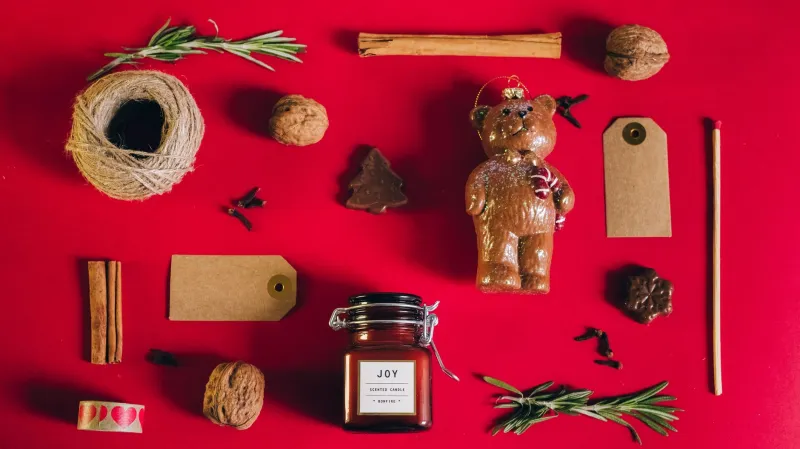
Christmas hampers have a habit of looking better than they taste. A wicker basket, a bow and a pile of mince pies does not automatically add up to a thoughtful gift. In 2026, the better approach is to build a hamper that reads like a short walk across London: a chutney from Bermondsey, a bar of chocolate from Hackney, coffee from Peckham. Small-batch, provenance-first, and chosen because each item has a reason to be there.
This is not about rejecting festive classics. It is about editing them. A mince pie can stay if it is a good one. But the spine of the hamper should be products with a maker, a postcode and a story that survives the wrapping paper.
Start with the savoury anchor
A jar of chutney is the unsung hero of a Christmas hamper. It has a long shelf life, it works with cheese, cold meats and Boxing Day sandwiches, and it gives the recipient something they will actually finish. The Bermondsey chutney makers who sell through weekend markets and independent delis tend to make small batches with clear fruit and vinegar sourcing. Look for a jar that names the maker, the batch date and the ingredients without a novel-length label. If the shop can tell you which orchard or market the fruit came from, even better.
Price-wise, this is where you can be sensible. A good small-batch chutney usually sits somewhere between £6 and £9. It does not need to be the most expensive thing in the box. It needs to be the thing that makes the box feel considered.
Chocolate: the crowd-pleaser with a postcode
Hackney has no shortage of chocolatiers, but the ones worth putting in a hamper are the ones who can talk about cocoa origin, roast and batch size without sounding like a wine label. For 2026, skip the generic truffle assortment and choose two bars: one dark, one milk or white. A dark bar with a named origin gives the hamper a talking point. A milk bar keeps it generous.
Ask the shop whether the chocolate is made in London or simply finished here. Both can be good, but the story is different. A bar made in small batches in Hackney, wrapped simply and dated, feels far more personal than a shiny tin with no visible maker. Expect to pay £5 to £8 per bar. Two bars are plenty. Three starts to look like you raided the shelf rather than edited it.
Coffee: the useful luxury
Peckham coffee roasters have become part of the furniture for Londoners who care about brew dates, but a hamper is not the place for a niche experiment. Choose a whole-bean coffee that works for filter or a forgiving espresso blend, and check the roast date. A bag roasted in the last fortnight is a gift. A bag with no date is a gamble.
A 250g bag usually lands between £10 and £14. Add a small handwritten note with a suggested brew ratio or a simple instruction such as ‘best after a week, finished within six’. That tiny bit of guidance makes the coffee feel like a present rather than a refill. If the recipient does not own a grinder, ask the roaster to grind to order — but only if you know how they brew.
Mix price points without losing character
A hamper does not need to be expensive to feel generous. It needs a clear point of view. One way to build it is to choose one anchor item, one everyday luxury and one small treat. The chutney can be the anchor, the coffee the everyday luxury, and a couple of biscuits or a small chocolate bar the treat. Add a useful extra — a linen tea towel, a nice jam spoon, a box of matches — only if it fits the story.
A realistic London small-batch hamper for 2026 might total £45 to £75 without the basket. That is often less than a generic luxury set, and it will almost certainly be more memorable. The trap is filler: miniature preserves, novelty biscuits, a tiny bottle of something nobody asked for. Every item should earn its place.
Where to source it on London shelves this December
Start with the shops that already curate. Independent delis in Bermondsey and London Bridge are good for chutney, cheese and crackers. Hackney chocolatiers and food halls are obvious for bars and small boxes. Peckham roasters and weekend markets are strong for coffee, and many will grind to order if you ask. If you are building several hampers, buy the shelf-stable items first and add coffee and chocolate closer to the giving date.
Check allergens, shelf life and storage instructions before you wrap. A hamper is a practical gift, and nobody wants to discover a jar that needs eating within three days. Ask the shop for a spare label or a small card explaining the maker. Provenance is not just a marketing word; it is the difference between a present that says ‘I went to a shop’ and one that says ‘I thought about you’.
Finally, skip the oversized wicker basket if you can. A simple cardboard box, some tissue paper and a handwritten card will do more for the gift than a handle that ends up in the recycling. The story is the luxury. The London shelves just help you tell it.