Under the Arches: Where London’s Small-Batch Food Really Begins

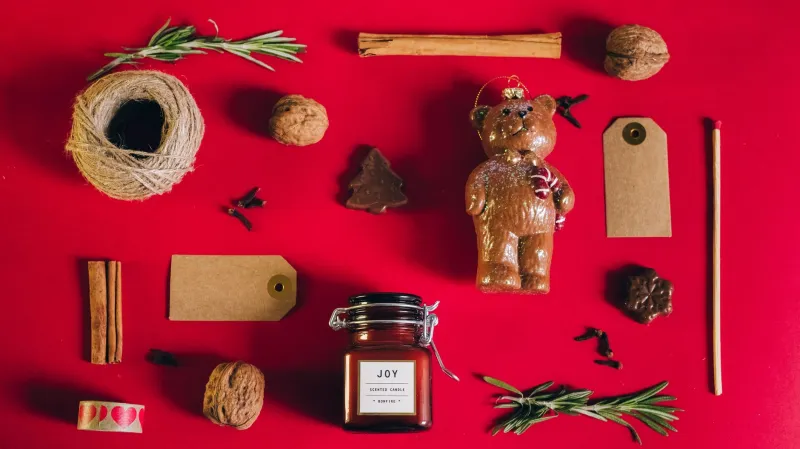
Photo by Photo by Malgorzata Bujalska on Unsplash on Unsplash
The label is the last thing that happens. Before the kraft paper, the batch number and the neat little shelf card, a small-batch product usually begins somewhere with a roller shutter and a drainage grate. In London, that often means a railway arch.
On a wet November morning in 2026, the arch larder is not a secret. It is just overlooked. You can walk past the same set of arches for years and never clock that the marmalade you buy in Herne Hill is cooked thirty minutes away, or that the coffee in your local wholefoods shop was roasted under a brick viaduct in Hackney. The polished shelf hides the messy start. That is the point of this piece: to show what provenance looks like before it gets a design budget.
Why the arches still work
Railway arches are not romantic. They are damp, oddly shaped and often noisy. But they are also one of the few places in London where a small food business can find affordable space with the drainage, ventilation and delivery access that a kitchen or roastery needs. A shared community kitchen might charge by the hour; an arch might cost less per square foot than a shop, even after you factor in the extractor fan and the insurance.
The result is a supply chain that runs in parallel to the high street. Spa Terminus in Bermondsey is the well-known example, with its Saturday market and its cluster of makers behind the arches. Maltby Street nearby does a similar job. But the same pattern repeats around Mentmore Terrace in Hackney, the industrial pockets of Deptford, and the arches north of Tottenham. None of these places are designed for browsing. They are designed for making, packing and loading.
Three routes from arch to shelf
A route is rarely glamorous. One Deptford preserve maker buys Seville oranges from a Borough wholesale market in the short season, cooks in batches of about forty jars, labels by hand and delivers twice a week to a deli in Herne Hill and a cheese shop in Crystal Palace. The shelf card names the maker and the neighbourhood. The jar has a batch code. That is provenance in practice.
A second route runs from a Hackney coffee roaster to a Walthamstow wholefoods shop and a cafe in Bermondsey. The roaster roasts twice a week, prints roast dates rather than best-before dates, and drops bags off in reusable crates. The shop staff know the roast day. If you ask, they can tell you which coffee was roasted this week and which is last week's.
A third route is colder and stranger: a Tottenham fermenter making kimchi and sauerkraut in a shared kitchen, selling into a Peckham deli and a Saturday market in Alexandra Palace. The jars are plain. The labels are printed at home. The batch codes are handwritten. The product is excellent. The packaging is not trying to be a lifestyle brand yet.
What provenance looks like before the label
Before the label, provenance looks like a clipboard. It looks like ingredient receipts, a temperature log and a spreadsheet of batch numbers. It looks like a maker who can tell you which farm the chillies came from, or why the jam is not available in July. It looks like a shared kitchen with three other businesses on the rota and a fridge full of someone else's custard.
This matters for shoppers because the polished version of provenance is easy to fake. A wax seal and a story about a grandmother do not prove anything. A named maker, a London address and a batch date are harder to invent. They are also less photogenic. The arch larder is not an aesthetic. It is a supply chain.
How to find these finds in 2026
Start with the shops that already do the work. Independent delis, wholefoods shops and coffee bars usually have a short list of makers they trust. Ask the staff what is made locally and what they would buy themselves. The answer is often more useful than the shelf talker.
Go to the Saturday markets that sit next to production: Spa Terminus, Maltby Street, the farmers' markets at Herne Hill and Alexandra Palace. Look for open studios and click-and-collect from arches. More makers in 2026 are selling direct one day a week because it cuts out a wholesale margin and lets them talk to customers.
Read the small print. A label that says 'made in London' is a start, but a label that says 'made in Deptford' is better. A roast date is better than a best-before date. A batch code is better than a slogan. If the only provenance is the word 'artisan', keep walking.
The shelf test
The useful question is not 'is this fancy?' It is 'can I trace this?' A good small-batch product should be able to tell you who made it, where it was made, when it was made and roughly what is in it. If the shop cannot answer, that is information too.
The railway arch larder is not a hidden world for people in the know. It is the ordinary back end of a lot of London food. Once you have seen it, the polished shelf looks different. You notice the batch code. You notice the address. You notice the gap where a story should be. That is provenance, before it gets a label.